The Blog
are-echecks-safe-what-businesses-need-to-know-about-secure-echeck-payments
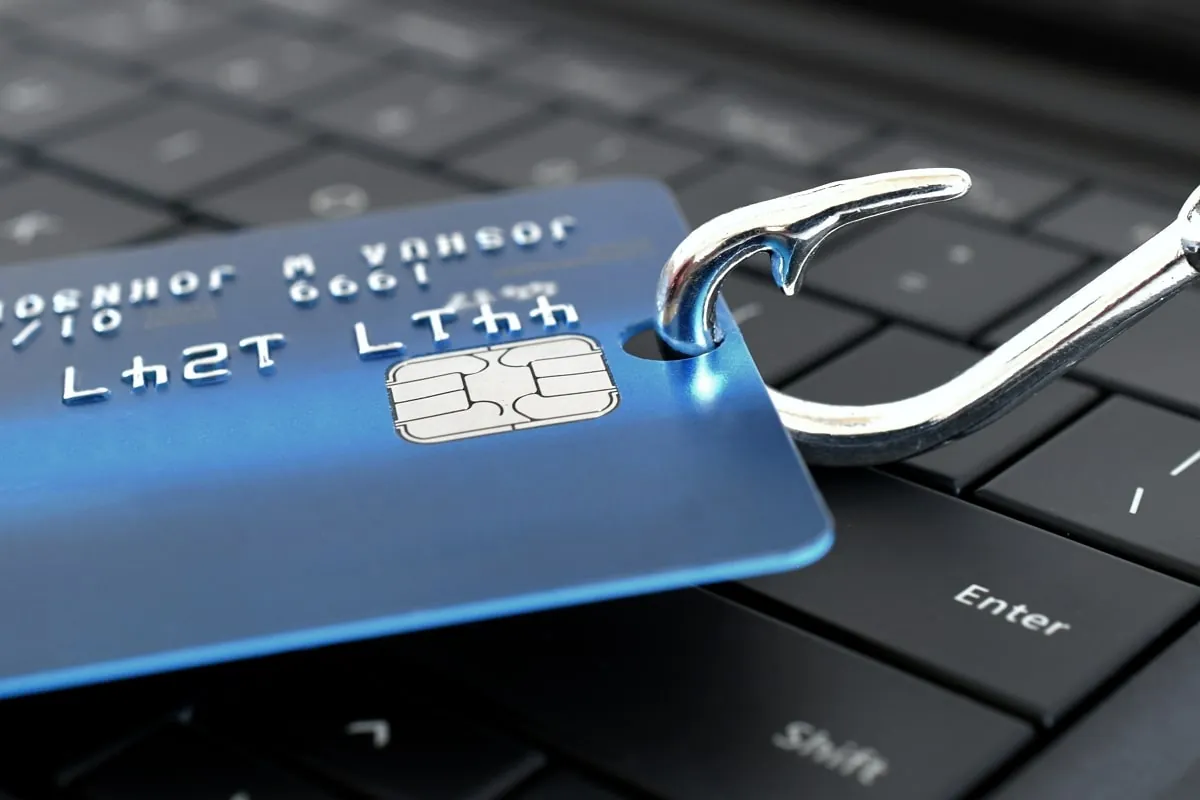
For high-risk businesses searching for stable, low-dispute payment rails, eCheck payments often raise the same question: Are eChecks actually safe?
The short answer: yes—when implemented correctly, eChecks are among the most secure and predictable payment methods for high-risk merchants.
Below encontrarás un artículo profundo, 100% original y con optimización semántica para echeck safe, are eChecks safe y eCheck payments.
An eCheck is an electronic bank-to-bank payment processed through the ACH network. Instead of using card rails—where issuers, networks and risk filters can trigger unnecessary declines—eChecks move funds directly from a customer's bank account to the merchant’s account.
The flow is simple:
Because the process relies on banking data rather than card credentials, eChecks avoid many of the false declines, MCC restrictions and volatility common in high-risk card processing.
Many merchants assume that eCheck payments are outdated or risky. In reality, eChecks use the same banking-grade security protocols as payroll deposits and government transfers.
Here’s why eChecks are safe:
Customer data is encrypted end-to-end, reducing exposure points and making interception nearly impossible.
Card data is the #1 target for fraudsters. eCheck payments eliminate this vector entirely.
Bank accounts are harder to obtain illegally than card numbers, meaning fewer fraud attempts overall—especially for high-risk verticals.
Many eCheck gateways now use instant bank verification (IBV), adding an extra layer of protection for merchants and customers.
Unlike card processors, banks rarely “suddenly” block full industries. This makes eChecks significantly safer for business continuity.
In high-risk processing, yes—eChecks are often safer.
Credit card payments rely on multiple parties with strict risk rules: the cardholder’s bank, the network (Visa, Mastercard), the processor, the payment gateway and, in many cases, automated fraud systems trained on eCommerce behavior.
This complexity creates two problems:
eChecks, in contrast, operate on a predictable banking framework with far fewer interruptions, making them a safer long-term option for businesses that experience volatility with card payments.
High-risk merchants often face issues like rolling reserves, account freezes and sudden terminations. eChecks help mitigate these problems because they:
ACH disputes are not the same as card chargebacks.
They are fewer, more predictable and easier to defend when merchants maintain proper authorization.
ACH rails do not use card fraud scoring, so valid customers are rarely declined.
eCheck providers evaluate business model + bank statements, not MCC restrictions or card-network policies.
Subscription-based industries see fewer involuntary churn issues with ACH compared to card expirations or blocked transactions.
Although eChecks are safe, merchants should understand and mitigate the following risks:
Some consumers are unfamiliar with eCheck payments. Clear instructions and trust badges solve this quickly.
Always use IBV or micro-deposit verification to avoid NSF transactions.
ACH is not instant, but for high-risk merchants it is a worthwhile trade-off for stability and lower disputes.
NextGen Payment specializes in high-risk ACH and eCheck merchant accounts with tools designed to reduce risk and boost approval rates:
For merchants dealing with Stripe, PayPal or traditional processors blocking their industry, eChecks provide a reliable alternative that maintains cash flow even when card processors fail.
So, are eChecks safe?
Absolutely—when implemented with proper verification, eChecks offer a secure, stable and high-approval payment method that outperforms traditional card payments for high-risk industries.
They reduce chargebacks, avoid card-network restrictions and provide predictable processing that protects your business from sudden shutdowns.
Request a fast, no-obligation integration with NextGen Payment and keep your business running—even when card processors say “no.”



.png)