The Blog
A confusing billing descriptor is one of the cheapest chargeback sources a high-risk merchant can fix, and one of the most ignored. This guide explains how descriptors work, the character limits you have to design around, and how to write one that customers actually recognize on their statement.
8 September 2026
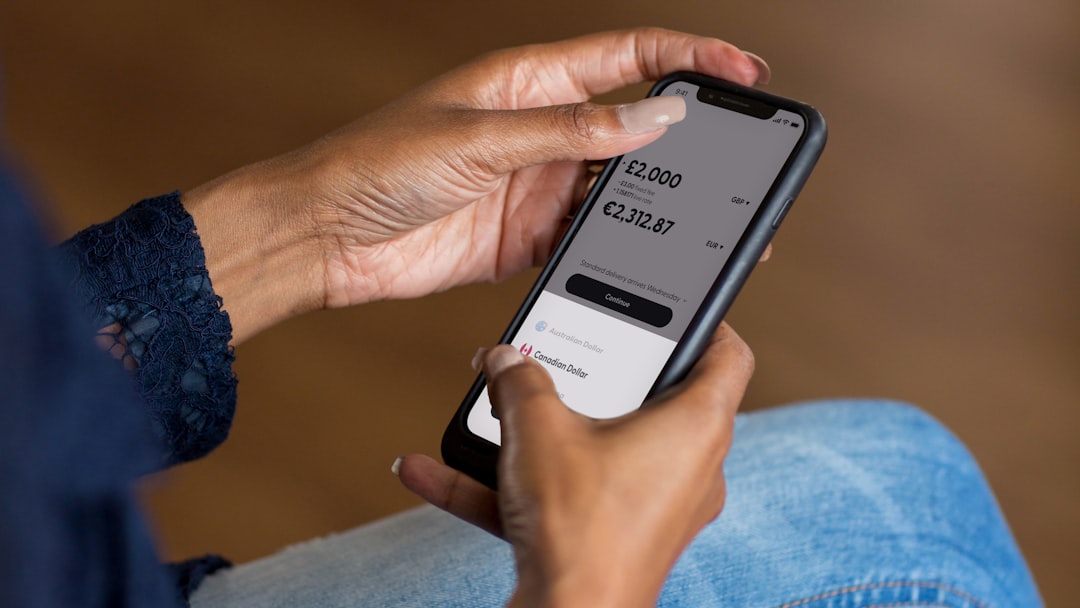
Three weeks after a customer buys from you, a line appears on their statement: SP*NGPLTD 4402. They do not remember the purchase, they do not recognize the name, and they have no phone number to call. So they do what almost everyone does in that situation: they tap the button in their banking app that says "I don't recognize this charge".

You never hear from them. What you get instead is a dispute, a fee, and one more transaction added to the numerator of your chargeback ratio. The customer was happy with the product. The problem was a short descriptor string nobody in your business ever seriously reviewed.
For high-risk merchants, the billing descriptor is the highest return, lowest cost fix available. It costs nothing to change and it can remove a meaningful slice of your disputes before they ever exist.
The billing descriptor is the text that identifies your business on a cardholder's bank statement and inside their mobile banking app. It is passed with the authorization message, travels through the acquirer to the issuer, and it is very often the only piece of information the customer has when they try to remember who took their money.
Most descriptors carry two parts: a merchant name field and a location or contact field, which can hold a city, a support phone number or a shortened website. That second field is not decoration. When it is filled correctly, a confused cardholder calls you. When it is empty or generic, they call their bank.
A static descriptor is fixed for the whole merchant account. Every transaction shows the same text, regardless of what was bought or which of your brands sold it.
A dynamic descriptor lets you send a fixed prefix, usually your parent or platform name, plus a variable suffix that identifies the specific brand, store or product. If you operate several storefronts under one merchant account, dynamic descriptors are the difference between a customer recognizing the brand they bought from and seeing a holding company name they have never heard of.
Disputes filed because a charge was not recognized rarely arrive labeled that way. They are usually filed as card-absent fraud, or as services not received, which means two things for you.
First, they land in the fraud bucket that card schemes monitor most closely, so a descriptor problem quietly inflates the exact metric your acquirer is watching. Second, they are painful to defend, because the issuer is asking you to prove a purchase the cardholder genuinely made but cannot place. You can win those representments with delivery data and access logs, but you will spend time and fees doing it, and the transaction still counts against you while the case is open.
There is also a timing effect that catches subscription businesses in particular. The longer the gap between purchase and statement, the weaker the memory. Free trials, delayed shipping and monthly renewals all widen that gap.
The rule is simple: the descriptor should match what the customer saw at the moment they paid, not what your company is called on paper.
Descriptor space is tight. Card schemes generally allow around 25 characters for the merchant name field, and dynamic descriptors are typically split into fixed prefix and variable suffix combinations such as 3 and 22, 7 and 15, or 12 and 10 characters. Your acquirer will confirm which formats it supports.
Design inside those limits deliberately. A brand name that survives truncation, a clean separator, and no wasted characters on words like "Ltd", "Online" or "Payments" that add nothing to recognition.
Recurring billing multiplies descriptor risk. The customer signed up once, possibly months ago, and now sees a charge they did not consciously authorize that day.
Three things reduce renewal disputes more than anything else. Send a pre-renewal notice a few days before the charge with the exact descriptor text included, so the customer can match it later. Keep the descriptor identical across every renewal, because a descriptor that changes mid-lifecycle breaks recognition entirely. And make cancellation genuinely easy, because a customer who cannot cancel will use their bank as the cancellation tool.
Some descriptor practices go beyond bad customer experience and become a compliance problem.
Using a vague or unrelated descriptor to disguise the nature of a sale is treated as deceptive by acquirers and card schemes, and it is one of the behaviors that leads to account termination rather than a warning. The same applies to reusing one neutral descriptor across multiple merchant accounts to obscure which entity is processing what. Structuring your processing across several accounts is a legitimate strategy when it is done transparently, and a fast route to termination when it is done to hide volume or ratios.
Descriptor and website mismatches also raise flags during routine monitoring. If your registered URL, your descriptor and your support contact do not describe the same business, expect questions.
Almost nobody checks what their descriptor looks like in the wild. It takes an afternoon.
Run small live transactions on cards from several different issuers, ideally across the markets you sell to, then look at how the charge appears in each mobile banking app rather than only on a monthly PDF statement. Display rules differ by bank, and truncation is where good descriptors go wrong. Repeat the test whenever you add an acquirer, migrate a gateway or launch a new brand, because descriptor settings are rarely carried over correctly during a migration.
While you are there, review your declines as well. Recognition problems and authorization problems often show up together, and our guide to credit card decline codes explains how to read what your processor is telling you.
A descriptor will not fix a genuine fraud problem or a delivery problem. It sits at the front of a layered defense, removing the disputes that were never really disputes.
Behind it, 3D Secure 2 authentication shifts liability on fraud claims, dispute alerts intercept cases before they become formal chargebacks, and clean representment evidence handles what remains. Getting the cheap layer right first means the expensive layers have less work to do, and lower dispute volume also strengthens your position when you renegotiate rates and reserves, something we cover in our guide on how an ISO lowers payment processing fees.
Most merchants inherit their descriptor from whoever set up the account and never look at it again. If you process in a high-risk category, that single line of text is worth an hour of your attention this week.
At www.nextgenpayment.eu we review descriptor setup across every merchant account we place, configure dynamic descriptors for multi-brand operations, and align them with your acquirer's formats before the first transaction runs. You can see how we work with high-risk merchants on our high-risk payment specialists page.
If your dispute ratio is creeping up and you suspect part of it is recognition rather than fraud, contact our team and we will audit your descriptors alongside your routing and chargeback setup.





.png)