The Blog
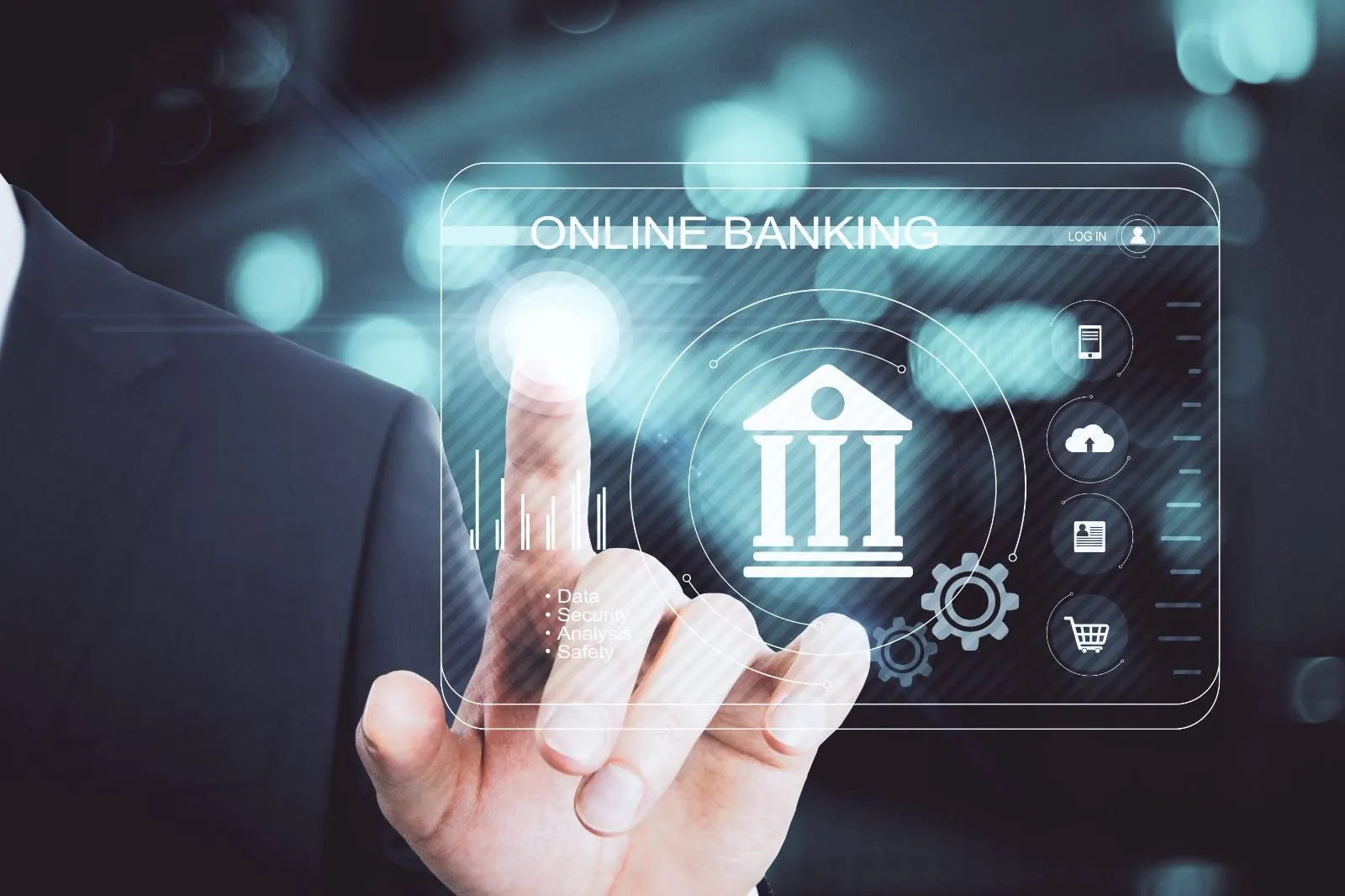
As businesses expand beyond local markets, managing payments efficiently becomes a strategic challenge. Clients, suppliers, payment providers, and financial institutions increasingly operate across borders, currencies, and regulatory frameworks. In this environment, having a business IBAN account is no longer optional—it is foundational.
An IBAN (International Bank Account Number) is a standardized format used to identify bank accounts internationally. For businesses, an IBAN account simplifies how funds are sent and received across borders, reduces friction with banks and payment partners, and provides greater operational control.
IBAN banking solutions are designed to support companies that need speed, clarity, and reliability in international transactions—especially digital, high-growth, and globally oriented businesses.
An IBAN is a globally recognized account identifier that standardizes bank account information across countries. It includes:
This structure allows banks and financial institutions to route payments accurately and efficiently, minimizing errors and delays.
For businesses, an IBAN enables:
Unlike local bank account formats, IBANs are designed specifically for cross-border interoperability.
Companies working with international clients or partners need a reliable way to move funds across borders. IBAN banking solutions allow businesses to:
This is especially important for digital businesses operating across multiple regions.
An IBAN account enables participation in the SEPA (Single Euro Payments Area) network, allowing businesses to:
For European operations, SEPA compatibility is a major operational advantage.
With an IBAN account, businesses gain:
This transparency is essential for financial planning, audits, and maintaining trust with partners and regulators.
While traditional bank accounts may work locally, they often present limitations when businesses scale internationally.
IBAN banking solutions are built to:
For businesses with global ambitions, an IBAN account provides infrastructure that grows with the company.
Certain business models face additional challenges when working with traditional banks. These include:
IBAN banking solutions help by:
This flexibility can be critical for maintaining operational continuity.

IBAN banking solutions are particularly valuable for:
In each case, the IBAN acts as a bridge between banking infrastructure and modern payment ecosystems.
Before selecting an IBAN solution, businesses should consider:
The right IBAN banking solution should support growth, not restrict it.
An IBAN account is more than a banking formality—it is a strategic asset for businesses operating in a global, digital economy.
IBAN banking solutions enable:
For businesses looking to grow internationally, manage risk, and maintain control over their financial operations, IBAN banking solutions provide a strong foundation for sustainable success.
A business IBAN account is an internationally standardized bank account that allows companies to send and receive payments across borders efficiently. It works by providing a unique identifier that banks and payment institutions use to route transactions securely and accurately.
High-risk businesses often face restrictions with traditional banks. IBAN banking solutions offer greater flexibility, enable payment flow diversification, and reduce dependency on a single banking partner, which is critical for operational continuity.
Yes. An IBAN account simplifies international payments, supports SEPA transfers, and reduces delays, rejections, and reconciliation issues when operating across multiple countries.
Most IBAN banking solutions are designed to integrate with payment gateways, acquiring banks, and payment processors, making them suitable for digital and international business models.
While no banking solution eliminates risk entirely, using dedicated IBAN accounts helps isolate payment flows, diversify financial exposure, and reduce the impact of unexpected restrictions or freezes.
No. Many non-European companies use IBAN banking solutions to access European markets, work with EU-based payment providers, and manage cross-border transactions more efficiently.
At NextGen Payment, we help digital and high-risk businesses implement IBAN banking solutions designed for international operations, payment stability, and long-term scalability.
Our approach focuses on:
If your business needs a banking solution that supports growth instead of limiting it, our team can help you design the right IBAN-based structure for your model.
Talk to NextGen Payment and strengthen your financial infrastructure today.




.png)