The Blog
is-accepting-cryptocurrency-complicated-demystifying-the-technical-integration
Cryptocurrencies have transitioned from a niche technology to a mainstream payment method, with businesses worldwide exploring ways to integrate them into their checkout flows.
Yet, despite growing adoption, many merchants hesitate. The reason? A set of entrenched assumptions about the technical complexity of accepting crypto.
In this article, we’ll break down those assumptions, answer the questions merchants ask most often, and show that — with the right approach — accepting cryptocurrency payments is more straightforward than many expect.
We’ll cover:
Accepting cryptocurrency means enabling your business to receive digital assets (e.g., Bitcoin, Ethereum, stablecoins) directly from customers as payment for goods or services.
Unlike credit card processing — which routes funds through banks, card networks, and processors — crypto payments are:
But technical complexity is not inherent — it depends largely on the solution you choose.
Before we address the truth, let’s look at common beliefs:
These assumptions stem from early crypto infrastructures. But today’s solutions abstract most technical burdens.
Let’s demystify them.
One of the most common concerns is that merchants must understand blockchain architecture, consensus mechanisms, or smart contracts.
Reality:
You don’t need to be a blockchain developer to accept crypto.
Most platforms offer plug-and-play integration via:
You benefit from blockchain settlement without managing nodes, gas fees, or consensus logic.
Many merchants assume accepting crypto means becoming custodians of private keys — a role both technical and high-risk.
Reality:
You have options:
Third-party providers manage keys for you.
You hold keys yourself with tools like:
But custodial solutions are widely used by merchants precisely to avoid key-management complexity.
Another persistent belief is that blockchains are inherently slow and expensive.
Reality:
Settlement speed and fees depend on the chain and solution layer used:
Plus, many payment providers offer off-chain settlement options that minimize on-chain costs for merchants.
Volatility is a real aspect of many digital assets — but it doesn’t have to affect your business.
Many integrations include:
So merchants avoid price risk while still offering crypto as a checkout option.
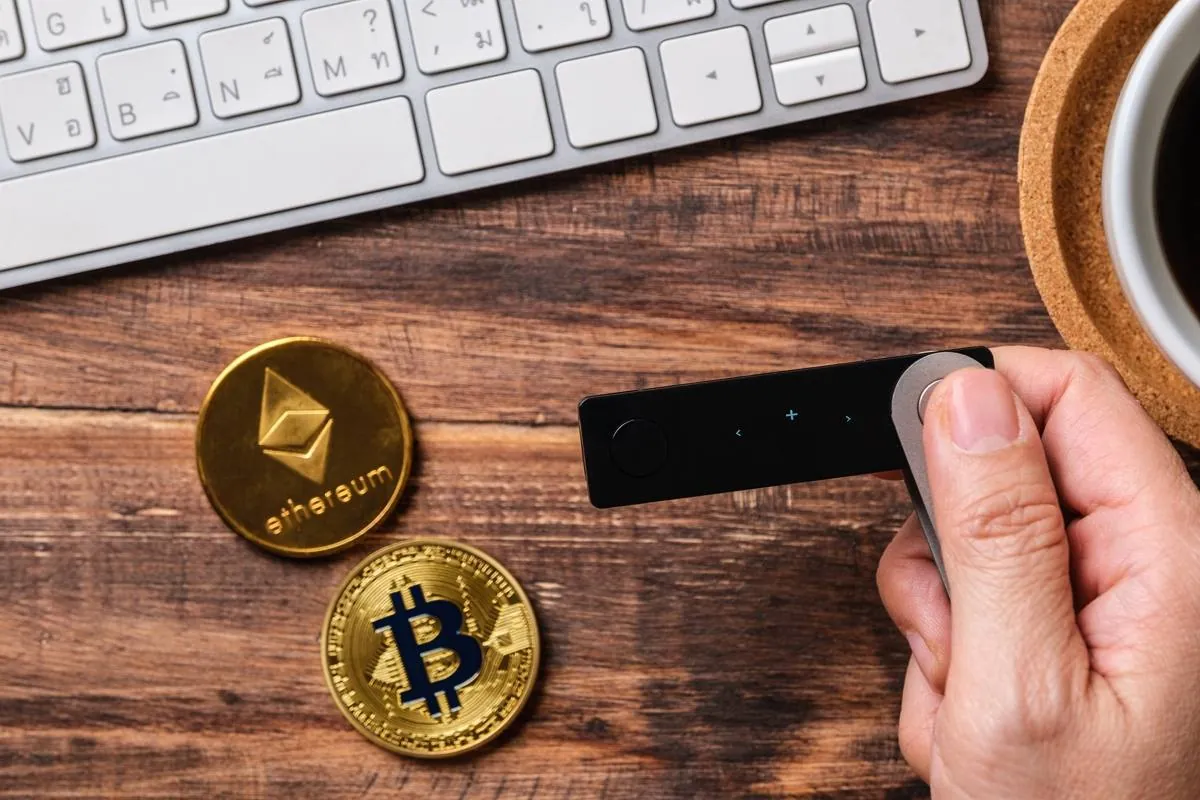
Let’s break down the process into simple stages:
Choose a provider that supports:
Decide whether to:
Integrate via:
Decide:
Ensure:
That’s it — no smart contracts, no node management, no blockchain expertise required.
Here are the main solution categories:
Provide unified integration with multiple coins and blockchains.
Turnkey extensions for major platforms.
No code required — redirect customers to crypto payment page.
Automatically convert to fiat or stablecoins.
These options mean merchants can integrate crypto payments with minimal technical overhead.
Not usually. Plugins and hosted solutions cover most integrations.
Yes — like card authorizations, crypto payments are final once confirmed.
Yes, most gateways support major assets like BTC, ETH, stablecoins, and Layer-2 assets.
Refunds can be processed via gateway tools; some providers facilitate partial returns.
Absolutely — many platforms auto-convert to your preferred currency.
✔ Lower processing fees
✔ Borderless payments
✔ Fast settlement
✔ Reduced chargeback risk
✔ New customer segments
❌ Price volatility (mitigated via stablecoins)
❌ Regulatory nuance (varies by jurisdiction)
❌ Tax reporting complexity (manageable with tools)
Accepting crypto does not operate in a regulatory vacuum.
Merchants should consider:
However, payment providers often handle compliance elements, reducing merchant burden.
Cryptocurrency acceptance is no longer fringe:
The idea that “crypto integration is too technical” is one of the biggest barriers to adoption — but it belongs to the past.
With today’s tooling:
Cryptocurrencies can become a legitimate, frictionless payment channel that complements your existing checkout.
At NextGen Payment, we help businesses:
👉 Request a tailored crypto payment integration assessment
👉 Speak with a payments expert
Because accepting cryptocurrency should be an opportunity, not a technical burden.



.png)