The Blog
what-does-a-payment-gateway-do-and-how-does-it-improve-your-payment-collection-process
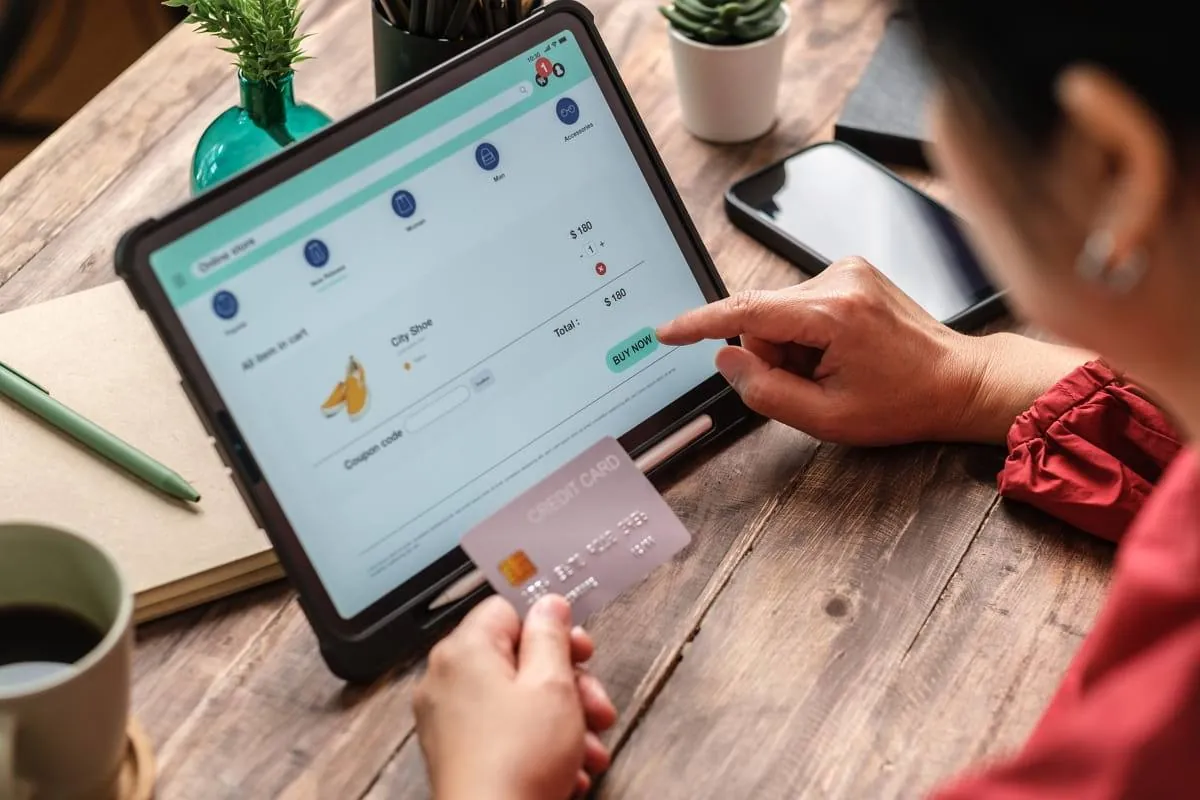
In digital businesses, collecting payments is not just about receiving money. It involves ensuring that every transaction is secure, fast, stable, and reliable for both the customer and the company. In this context, the payment gateway becomes a critical component of the financial ecosystem.
Many companies use a payment gateway without fully understanding what it does, how it works, or why it can make the difference between an efficient payment collection process and one filled with friction, errors, or lost conversions. This lack of understanding often leads to technical issues, unnecessary declines, fraud, or difficulties scaling the business.
In this article, we explain what a payment gateway is, how it participates in payment processing, and why choosing the right payment solution can directly improve conversion rates, security, and the overall financial stability of a business.
A payment gateway is the technology that authorizes, processes, and secures online payments between the customer, the merchant, the issuing bank, and the acquiring bank.
Its primary role is to act as a technical intermediary that:
Without a payment gateway, a business would not be able to process electronic payments securely or comply with industry security standards.
Although the process is almost invisible to the user, several critical actions occur internally within seconds:
This flow ensures traceability, security, and control over the payment collection process, while preventing direct exposure of financial data.
These terms are often used interchangeably, but they perform different roles in payment processing:
An advanced payment gateway integrates efficiently with one or multiple payment processors, increasing stability, redundancy, and approval rates.
Using advanced payment gateway solutions helps increase conversion rates, reduce technical errors, and maintain a stable payment flow, even in high-volume scenarios.
A simple, fast, and clear checkout process increases the likelihood that customers complete their purchase. Modern payment gateways enable:
This significantly reduces cart abandonment and improves the overall payment experience.
Security is a core pillar of payment processing. Payment gateways apply standards such as:
These measures protect both customers and merchants from fraud, data breaches, and legal exposure.
An advanced payment gateway does more than authorize payments. It also enables:
This is especially important for digital businesses, subscription models, and high-risk industries, where chargebacks represent a significant operational risk.

For companies operating in multiple markets, a payment gateway allows:
This enables international expansion without adding operational complexity.
A well-designed payment gateway supports:
This prevents system outages, payment errors, and revenue loss during critical moments.
While any online business uses a payment gateway, it is especially critical for:
In these cases, a generic payment solution is often insufficient from a technical, security, or scalability perspective.
Some of the most frequent mistakes include:
These mistakes often result in account freezes, lost conversions, and long-term financial issues.
Before making a decision, businesses should evaluate:
Selecting the right payment gateway is not a minor technical decision, but a strategic choice that directly impacts financial stability.
A payment gateway is not just a technical intermediary, but a key tool for optimizing payment collection, improving customer experience, and protecting business operations.
Investing in the right payment solution leads to:
In an increasingly demanding digital environment, the payment gateway becomes a strategic partner, not just a technology provider.
For businesses looking to scale securely, operate internationally, or manage complex or high-risk payment flows, working with a provider that understands these challenges is essential.NextGen Payment offers payment gateway solutions designed to deliver stability, security, and scalability, helping digital businesses build a reliable and future-proof payment infrastructure.
An optimized payment gateway reduces load times, simplifies checkout, and builds trust, improving customer perception and purchase likelihood.
Fraud, technical errors, duplicate payments, unnecessary declines, and disputes that affect business stability are significantly reduced.
It may work in early stages, but as transaction volume and complexity increase, an advanced payment gateway becomes essential.
Through encryption, tokenization, and security compliance standards that prevent direct exposure of sensitive information.
Yes. By improving the payment experience, integrating fraud prevention, and reducing operational errors, disputes are significantly reduced.
Because it adapts currencies, payment methods, and authorization rules to each market, increasing global approval rates.



.png)